Kentucky Lake vs. Lake Barkley
Kentucky Lake and Lake Barkley sit side by side, separated by Land Between the Lakes and connected by a canal near Grand Rivers. On a map, they can look like two versions of the same lake. Once you spend time on the water, though, the differences become pretty clear.
Kentucky Lake is much larger, wider and more open. Lake Barkley is smaller, narrower and usually feels more protected from the wind. Both offer boating, fishing, waterfront lodging and easy access to LBL, but the experience can change depending on which side you choose.
Neither lake is the “better” option. The right choice comes down to the kind of water you are comfortable navigating, where you want to stay and how you plan to spend your time.
Structural Differences
Kentucky Lake’s Size & Shape
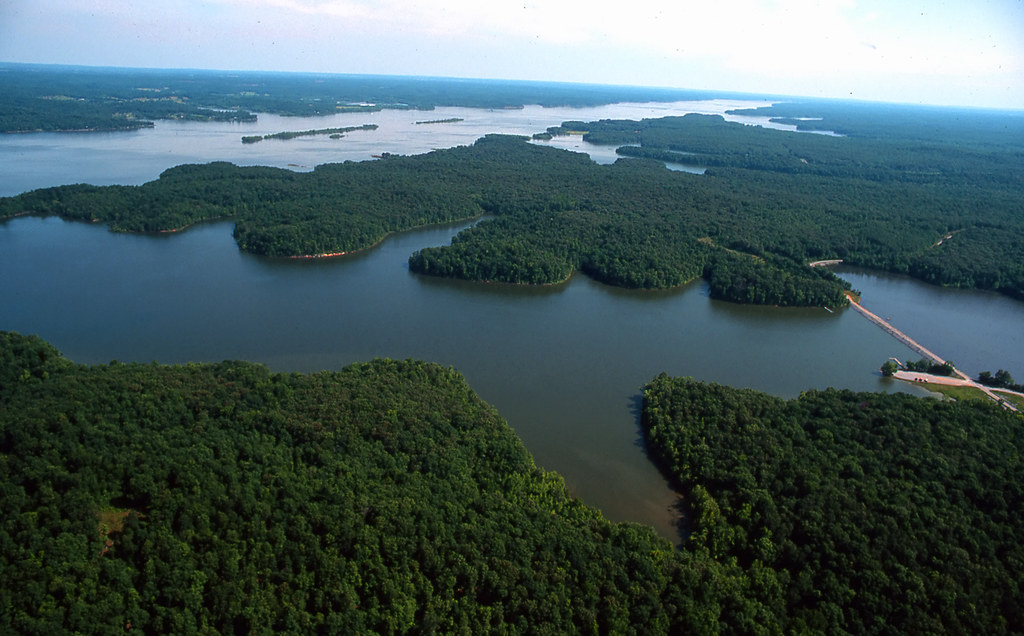
Kentucky Lake covers just over 160,000 acres and stretches 184 miles from Kentucky Dam to Pickwick Dam in Tennessee. In some places, the lake reaches about two miles across. That amount of open water gives boaters plenty of room, but it also means the wind can build larger waves than first-time visitors expect.
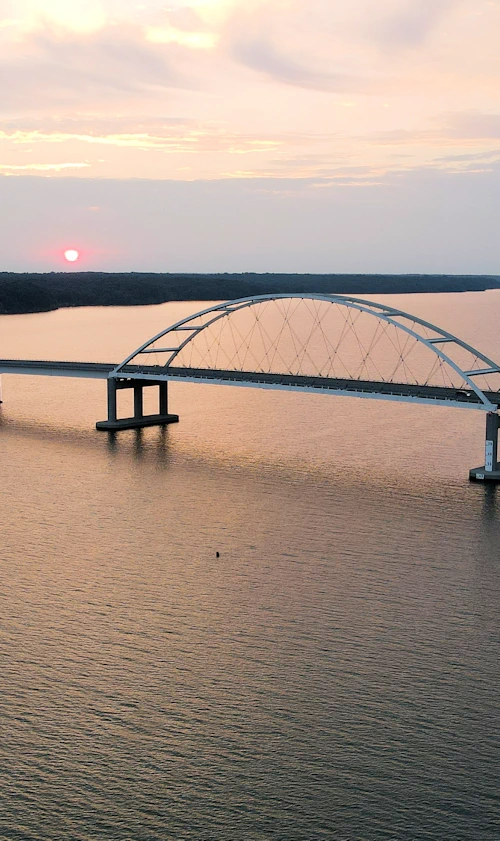
The main Tennessee River channel runs through the lake and is generally easy to follow with channel markers. North of the Eggners Ferry Bridge (US 68/KY 80), the channel has long, fairly direct stretches. Farther south, it begins winding more through the old river course, so it still deserves your attention.
Kentucky Lake also has long bays on both sides of the main lake. The western shore has many resorts, marinas, ramps and communities, while much of the eastern shoreline borders Land Between the Lakes and remains largely undeveloped.
Lake Barkley’s Size & Shape
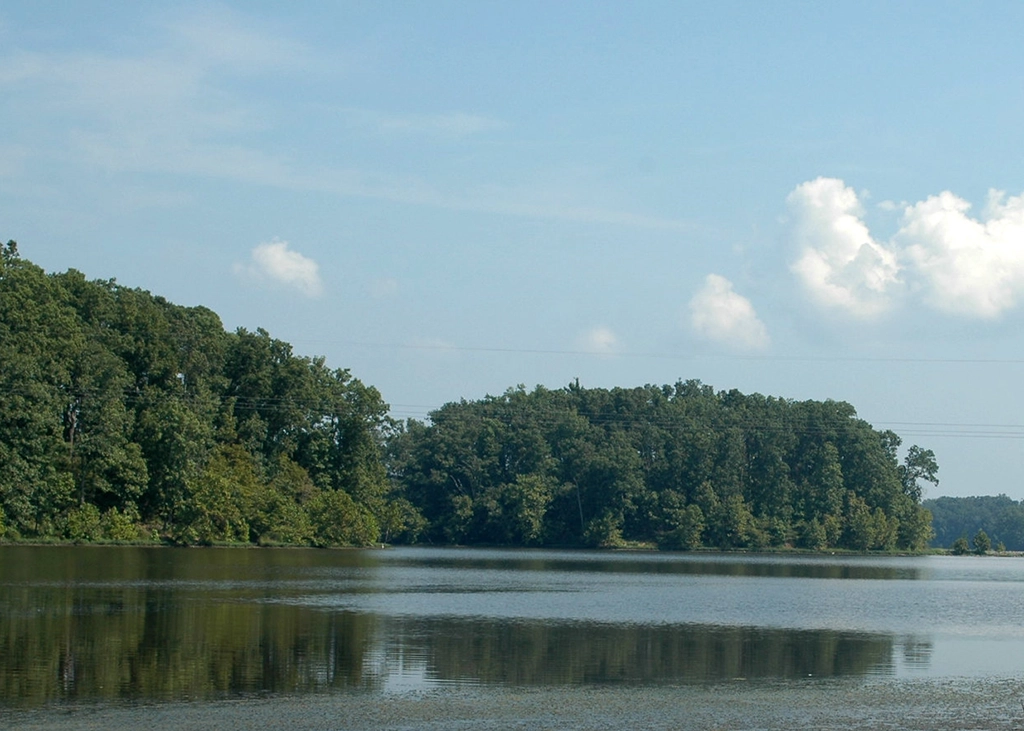
Lake Barkley covers about 57,900 acres and follows the Cumberland River for 118 miles. It is much smaller than Kentucky Lake, with more bends, narrower stretches and shallow areas outside the marked channel.
Because it is narrower and more sheltered in many places, Barkley often feels smoother when the wind is blowing across the region. That can make for a comfortable cruise, especially in the protected bays and river bends.
The tradeoff is that Lake Barkley requires closer attention to the channel. Shallow flats, submerged points and the old riverbank can sit surprisingly close to deeper water. Stay between the markers, use navigation and be especially careful during winter pool. Barkley is a beautiful lake to explore and is definitely worth the extra attention.
They Feel Different from the Boat
Kentucky Lake Conditions
Kentucky Lake’s size is one of its biggest advantages, but open water reacts quickly to wind. A breeze that barely affects a protected bay can create a noticeably rougher ride on the main lake.
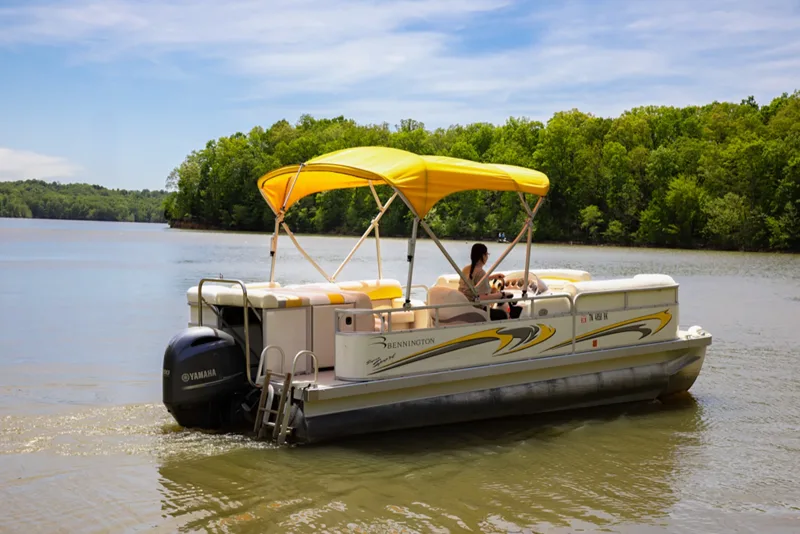
This matters most in smaller boats, pontoons and personal watercraft. Crossing the lake may be easy in the morning and much bumpier later in the afternoon if the wind picks up. Checking the weather and lake conditions before leaving the dock helps you choose a route that fits the day.
TIP: If the wind forecast calls for north or south winds, add 5-10 mph to the official forecast. A forecast of 15 mph from the north can easily be 25 mph in the middle of the lake.
There are still plenty of quieter places to boat. The lake’s bays provide room for swimming, fishing and relaxed cruising away from the main channel. You do not have to spend the whole day on open water to enjoy Kentucky Lake.
Lake Barkley Conditions
Lake Barkley usually does not build the same broad, rolling chop found on Kentucky Lake because it is narrower and more protected. That is one reason many boaters enjoy cruising it.
Still, smoother water does not mean you can ignore the map. Barkley’s channel twists through the old Cumberland River, and the water outside it becomes shallow quickly in many places. Floating limbs and other debris may also collect after heavy rain or high water, so keeping a lookout is part of safely navigating.
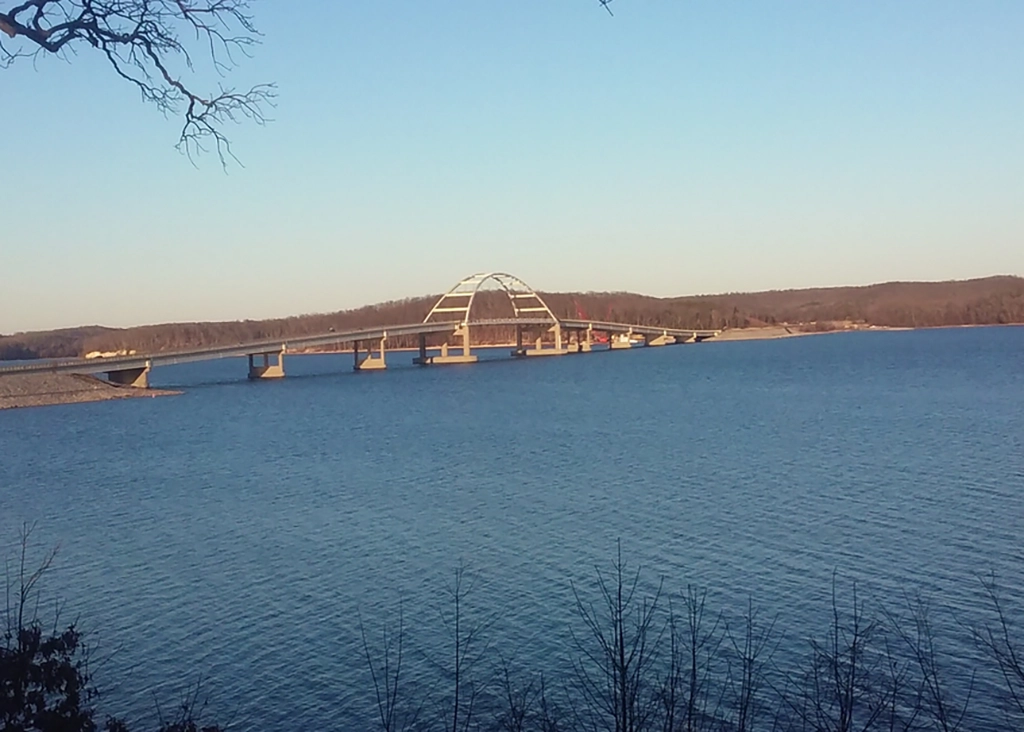
Kentucky Lake, View of Eggners Ferry Bridge
Kentucky Lake FAQs
The Lakes Have Different Histories
Kentucky Lake Came First
Kentucky Lake was created when the Tennessee Valley Authority built Kentucky Dam across the Tennessee River. The dam’s gates closed in 1944, flooding the old river valley and creating the lake visitors know today.
The project was built for navigation, flood control and hydroelectric power. It also created a navigable route along the Tennessee River that connects with waterways far beyond western Kentucky.
Kentucky Lake is part of the Great Loop, the long boating route that circles much of the eastern United States. Cruisers traveling the Loop use the Tennessee River as part of the route toward the Tennessee-Tombigbee Waterway and the Gulf of Mexico.
Lake Barkley Followed in the 1960s
Barkley Dam was built across the Cumberland River only a few miles from Kentucky Dam. The project was designed to improve navigation, help control flooding and generate hydroelectric power. Flooding had long affected communities along the river, including Eddyville and Kuttawa, and the smaller locks and dams already in place were no longer enough to manage the river.
Construction began in 1959 and was completed five years later. The creation of Lake Barkley brought major changes to the area. Homes, roads, businesses and parts of established communities had to be relocated before the rising water covered the old river valley.
Today, Lake Barkley plays an important role in flood control, navigation, recreation and power generation. It also remains closely connected to Eddyville, Cadiz, Dover and the other communities that grew around the new shoreline.
Lake Barkley FAQs
The Canal Makes It Easy to Experience Both Lakes
A free-flowing canal near Grand Rivers connects Kentucky Lake and Lake Barkley. Boaters in the northern part of the lakes can travel from one to the other without loading the boat or going through a lock.
The canal also gives visitors a quick look at how different the lakes can feel. Kentucky Lake opens wide to the west, while Barkley’s narrower channel continues east toward the Cumberland River. A good weather day makes it possible to enjoy both lakes in one outing.
Fishing is Good on Both Lakes
Fishing on Kentucky Lake
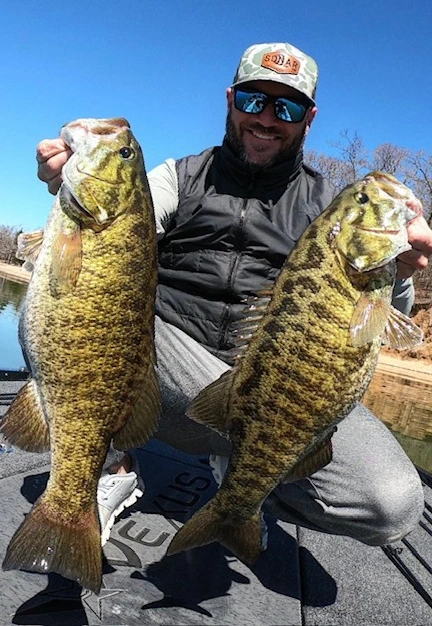
Kentucky Lake’s size gives anglers a broad mix of places to fish. The lake includes deep river-channel water, long ledges, broad flats, rocky banks, wooded cover and large bays.
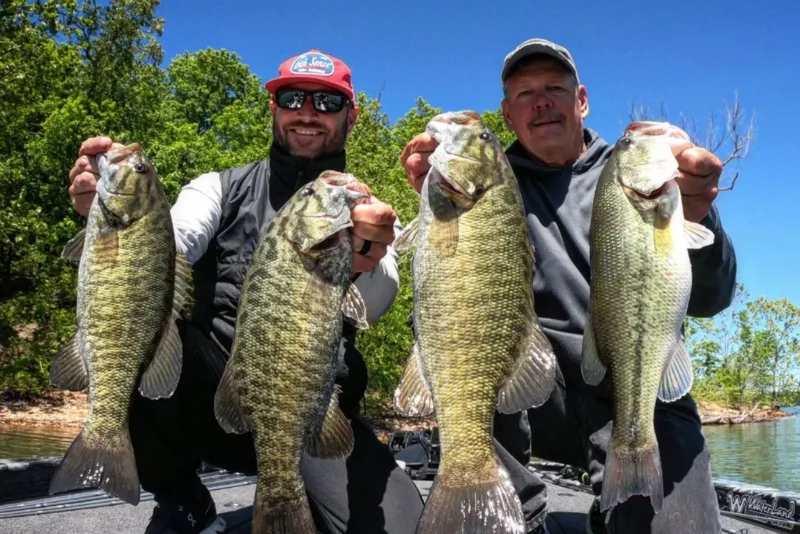
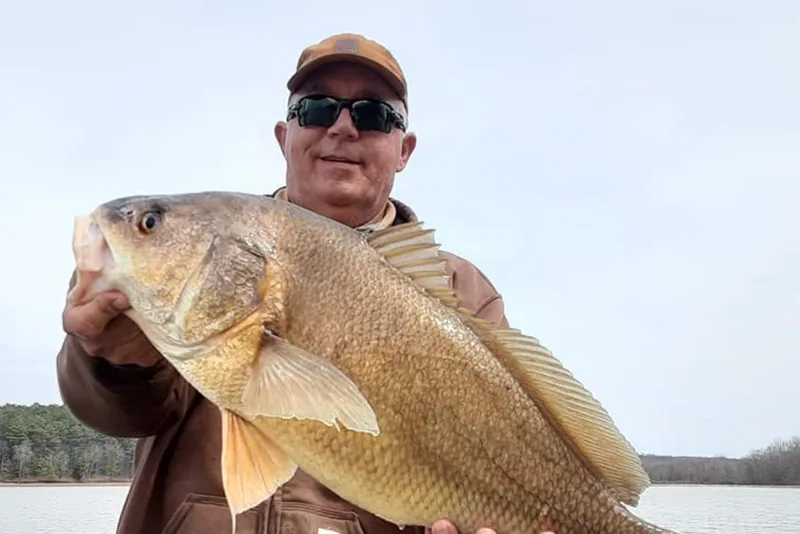
Crappie, largemouth bass, catfish, bluegill, redear sunfish and yellow bass are all popular targets. The kind of water you fish will depend on the season, lake level and the species you are after.
The lake’s larger size also means choosing the right launch matters. A ramp close to the bay or section you want to fish can save a long boat ride across open water.
Fishing on Lake Barkley
Lake Barkley follows the old Cumberland River channel, so it feels more like a winding river reservoir in many places. Its creeks, shallow flats, channel bends, rocky shorelines and wooded cover give anglers plenty to work with.
Crappie, bass, bluegill and catfish are commonly pursued on Barkley. The shallower layout makes seasonal water levels especially important, since areas that are easy to reach at summer pool may look very different after the lake is drawn down.
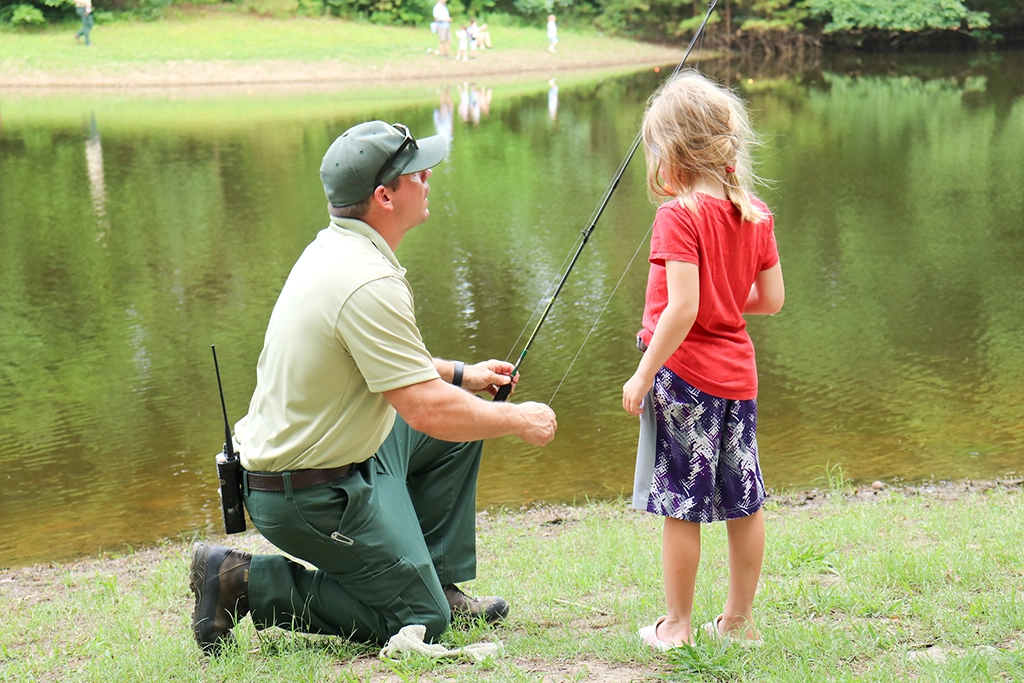
Anglers who are new to either lake can find local fishing guides through KentuckyLake.com. A guide can help with navigation as well as the seasonal habits of the fish.
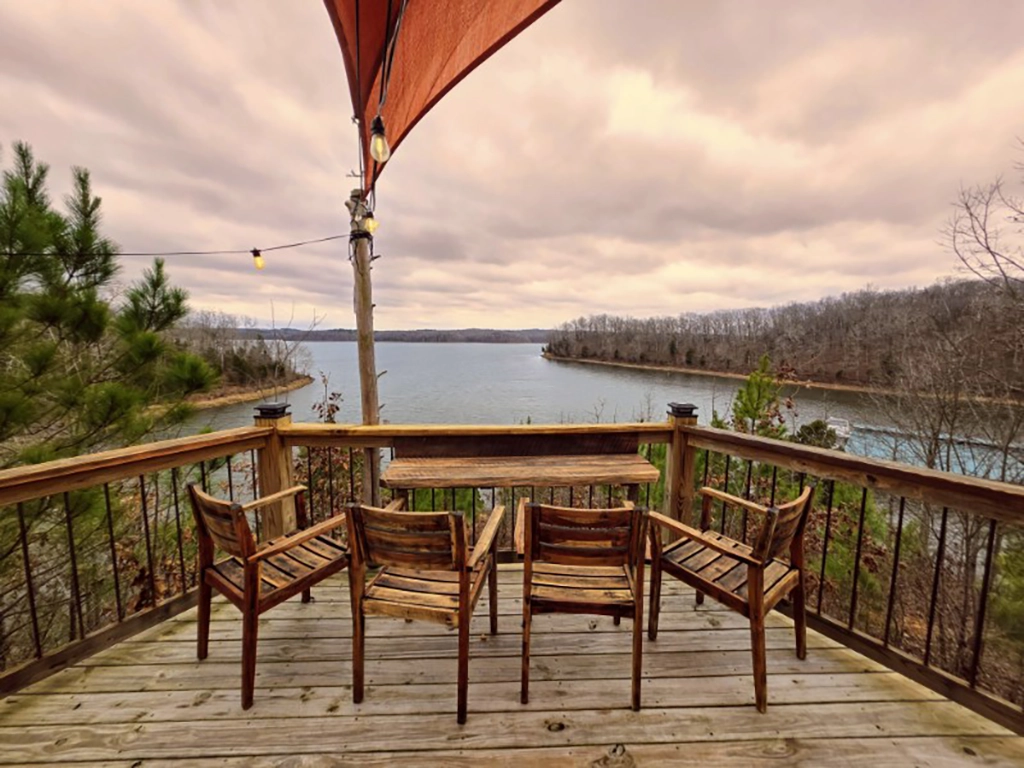
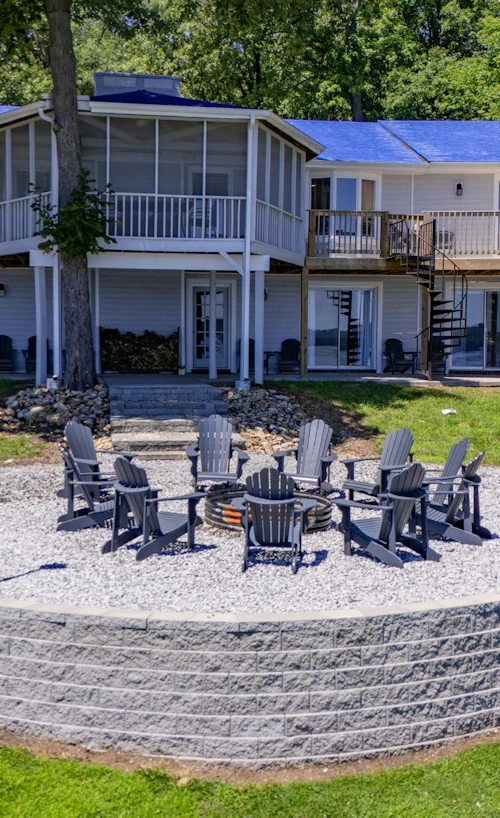
Eagle's Nest, Lynnhurst Resort in Murray, Kentucky
Where You Stay May Make the Decision for You
Communities Around Kentucky Lake
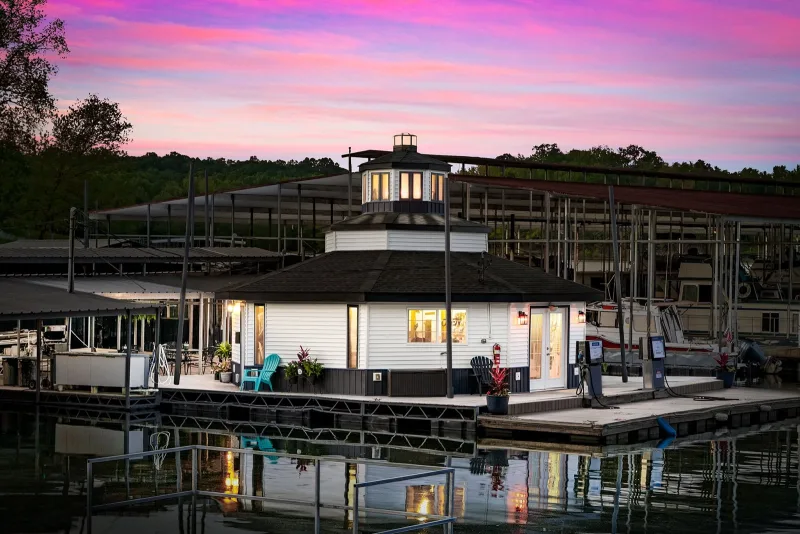
Kentucky Lake’s western shore includes communities and vacation areas stretching from Grand Rivers, Gilbertsville and Benton/Aurora south toward Murray, Paris Landing and Camden. Resorts, cabins, campgrounds, vacation rentals and marinas are spread along a large portion of the lake.
The eastern shoreline is largely defined by Land Between the Lakes, which gives that side a quieter and more wooded appearance. Visitors staying on the western shore can cross into LBL by road or reach its shoreline by boat.
Because Kentucky Lake is so long, it helps to choose lodging near the part of the lake you plan to use. Staying near the northern end and planning daily activities far into Tennessee can add a lot of driving or boating.
Communities Around Lake Barkley
The Kentucky side of Lake Barkley is closely connected with Grand Rivers, Eddyville, Cadiz and Canton. Farther south, Dover and the Tennessee portion of the lake offer access to southern LBL and the Cumberland River.
Barkley’s smaller size can make the surrounding area feel easier to understand, but the shoreline still covers plenty of ground. A cabin near Eddy Creek provides a different starting point than a stay near Little River or Dover.
Our lodging section can help visitors compare waterfront accommodations, marinas, boat access and nearby activities without asking the article to name every individual property.
Which Lake Should You Choose?
Choose Kentucky Lake if you want more open water, longer cruising routes and a greater sense of space. It works well for boaters who enjoy broad views, large bays and easy access to the Tennessee River route.
Choose Lake Barkley if you prefer narrower water, protected stretches and the winding feel of the Cumberland River.
For many visitors, the answer is both. The canal near Grand Rivers makes it possible to move between the lakes, and Land Between the Lakes gives them a shared center. You can stay on one lake, boat on the other and explore the communities surrounding each without treating them as separate destinations.
Kentucky Lake and Lake Barkley have different personalities, but both deserve the same care. Watch the weather, follow the navigation markers, respect seasonal water levels and help keep the shorelines clean. Kentucky Lake and Lake Barkley each have their own feel, and both are worth a visit!